Prestige Tile & Stone Cleaning
Serving San Diego County
Residential & Commercial
Mon–Fri 8am–5pm · Sat 10am–2pm

Quick answer
Should You Regrout or Remodel Your Shower?
Standing in a tired, grimy shower, most San Diego homeowners ask the same question: patch it or replace it? In most cases, shower regrouting is the better choice if your tile, backing, and waterproofing are still sound and you just want to stop leaks and refresh the look — a full shower remodel is worth the investment only when tile is cracked, water has reached the substrate, or you want a completely new layout. The right call depends on your shower’s age, condition, and how long you plan to stay in the home. Below, we break down both paths in detail so you can decide with confidence.
Cost Guide
Understanding Shower Regrouting
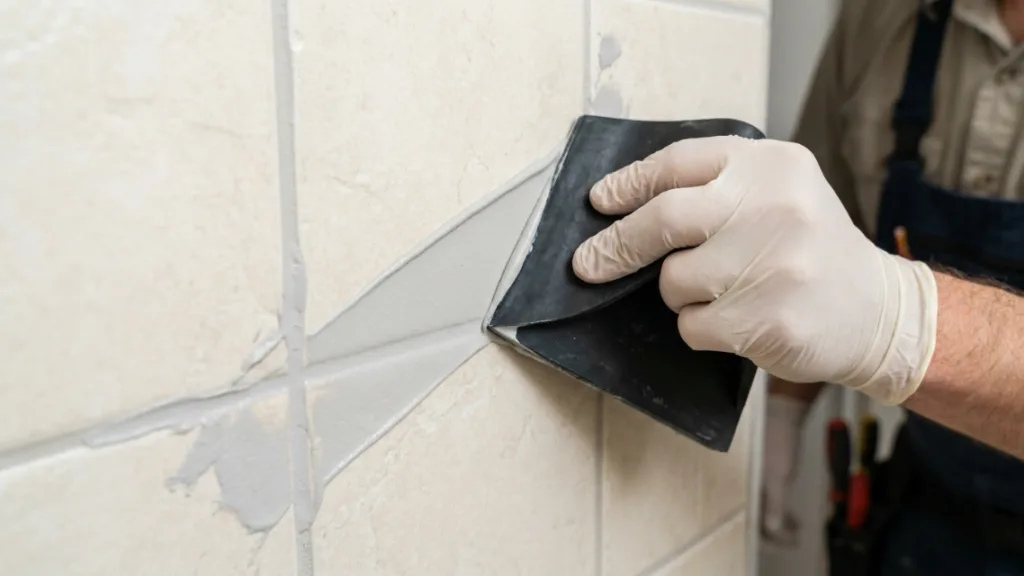
Shower regrouting is the process of removing degraded, cracked, or moldy grout from between existing tiles and replacing it with fresh material — without touching the tile itself. A technician grinds or scrapes out the old grout lines with an oscillating tool or grout saw, cleans the joints, and packs in new grout (cement-based, sanded, or epoxy) before sealing and curing.
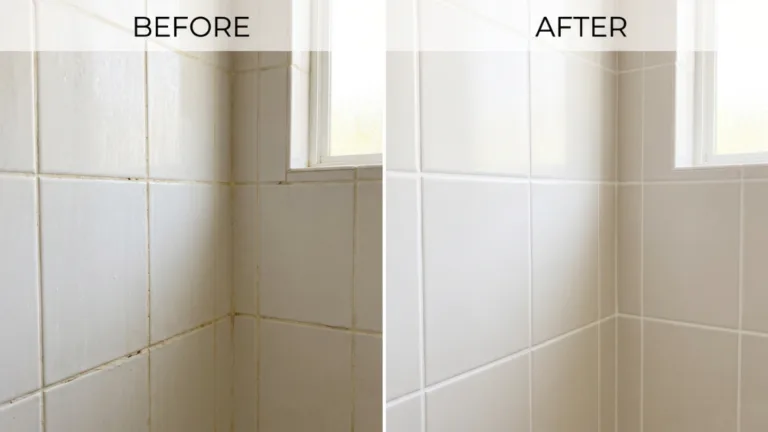
Regrouting is fundamentally a restoration, not a renovation. It works when your tile is intact, your shower pan isn’t leaking, and the underlying wall structure hasn’t taken on water damage. It’s the go-to fix for showers where the tile still looks good but the grout lines have become discolored, chalky, cracked, or are growing mildew despite regular cleaning.
Typical cost: Regrouting cost depends on the size of the shower, the grout type, tile size, how much old grout has to be removed and whether any tiles need repair. Because the existing tile, walls and plumbing stay in place, it generally costs far less than a remodel.
Core benefits:
Ideal use cases: Homes with tile that’s still structurally sound, showers under 10-15 years old, and anyone who wants to sell or refresh a bathroom without a major capital outlay. If your tile itself is chipped, etched, or stained rather than just the grout, it’s worth pairing regrouting with a service like stone tile chip and crack repair or tile etching removal rather than jumping straight to demolition.
Cost Guide
Understanding a Full Shower Remodel
A full shower remodel is a ground-up rebuild: demolition of the existing shower pan, wall surround, and sometimes surrounding plumbing, followed by new waterproofing membrane, backer board, tile, fixtures, and often a reconfigured layout (for example, converting a tub/shower combo into a curbless walk-in shower).
This is a construction project, not a cosmetic fix, and it’s the right call once water has actually gotten behind the tile — soft drywall, a spongy shower pan, or persistent musty odors are the telltale signs. It’s also the natural choice if you want to change the shower’s footprint, add a bench or niche, upgrade to larger-format tile, or install a frameless glass enclosure.
Typical cost: A full shower or bathroom remodel costs considerably more, and the range is wide. It depends on scope, tile selection, glass, and whether plumbing or walls are relocated, and remodels that need a San Diego permit add permit fees and a permitting process that can take two to six weeks depending on scope. Homes built before 1990 — common throughout San Diego’s older coastal neighborhoods — often carry added cost if outdated plumbing or hidden moisture damage surfaces once walls are opened.
Ideal use cases: Showers over 20 years old, any shower with confirmed water intrusion behind the tile, or homeowners planning a broader bathroom renovation who want the shower to match a new design vision.
Side by side
Side-by-Side Comparison
Before diving into the pros and cons, here’s a quick side-by-side snapshot of shower regrouting vs full shower remodel across the factors that matter most: cost, timeline, and how long the fix will last.

Cost Guide
Pros and Cons Breakdown
Pros of Shower Regrouting
Cons of Shower Regrouting
Pros of a Full Shower Remodel
Cons of a Full Shower Remodel
Cost Guide
Which Option Is Better? The Ultimate Showdown
The honest answer is that shower regrouting vs full shower remodel isn’t really a competition — they solve two different problems, and the right one depends entirely on what’s actually wrong with your shower.
Choose shower regrouting if: your tile is intact, there’s no soft or spongy drywall nearby, and your main complaints are discoloration, minor cracking in the grout lines, or a musty smell that a deep clean hasn’t fixed. In San Diego’s coastal climate, where humidity and hard water accelerate grout breakdown, regrouting every 8-15 years is simply routine maintenance — not a sign of a failing shower. Because it keeps your existing tile, it’s a lower-cost, low-risk way to extend your shower’s life by another decade while restoring both appearance and water resistance. Many homeowners pair it with services like bath and shower tile cleaning or a full shower tile cleaning restoration to get the whole enclosure looking brand new without ever touching a hammer.
Choose a full shower remodel if: you’re seeing signs of water intrusion — soft spots on the wall outside the shower, a shower pan that flexes underfoot, persistent leaks despite recent regrouting, or tile that’s cracked across multiple panels. At that point, no amount of surface-level repair will solve the underlying problem, and a remodel is the only way to replace the waterproofing membrane and stop ongoing damage to your home’s structure. It’s also the right call if your goals go beyond repair — for example, converting an old tub into a walk-in shower, a very popular upgrade among San Diego homeowners looking to modernize aging bathrooms or plan for long-term accessibility.
Budget-conscious middle ground: If your grout is failing but your tile is otherwise in great shape, regrouting paired with targeted repairs — like stone tile epoxy filling for small cracks or chips — can often extend a shower’s usable life by many more years at a fraction of remodel cost, buying you time to save toward a full renovation on your own schedule.
Cost Guide
Conclusion & Recommendation
Both paths get you a cleaner, healthier bathroom — the difference is scope, cost, and what problem you’re actually solving. Shower regrouting is the practical, budget-friendly choice for cosmetic wear and minor leaks in an otherwise sound shower, while a full shower remodel is the right investment once water has reached the substrate or you want a completely new design. When in doubt, start with a professional assessment: it’s the fastest way to know whether your San Diego shower needs a quick refresh or a full rebuild, and it prevents you from either overspending on a remodel you don’t need or underinvesting in a repair that won’t hold.
Service Area
Available Throughout San Diego County
This service is available to homes and businesses across San Diego County, from the North County coast and inland cities to central San Diego, the South Bay and East County.
Common questions
Frequently Asked Questions
How do I know if I need shower regrouting or a full shower remodel?
Inspect the drywall or baseboards just outside your shower. If they’re soft, discolored, or smell musty, water has likely reached the substrate and a remodel is warranted. If the tile itself is solid and only the grout looks bad, regrouting is usually sufficient.
Can regrouting fix a leaking shower?
Sometimes. If the leak is caused by cracked or missing grout allowing water through the joints, regrouting will stop it. If the leak originates from a failed shower pan or waterproofing membrane behind the tile, regrouting won’t solve the root cause and a remodel is needed.
How long does shower regrouting last in San Diego’s climate?
Most regrouting jobs last 8 to 15 years, though homes near the coast with harder water and higher humidity may see grout wear slightly faster without regular sealing and cleaning.
Is a full shower remodel worth it before selling my San Diego home?
It depends on the shower’s condition and your local market. A dated but functional shower often doesn’t need a full remodel before listing — a professional regrout and deep clean can significantly improve first impressions at a fraction of the cost.
Do I need a permit to regrout my shower in San Diego?
No. Regrouting is considered routine maintenance and doesn’t require a permit. A full shower remodel involving plumbing or structural changes typically does require permitting through your local building department.
How much does shower regrouting cost compared to a full remodel?
Regrouting typically costs far less than a full shower remodel, because the existing tile, walls and plumbing stay in place. Remodel costs vary widely with scope and materials.
Can I regrout over old, cracked grout instead of removing it?
No. Grout should always be fully removed before new grout is applied. Layering new grout over old material traps moisture and can mask underlying water damage, leading to bigger problems later.
What grout type is best for San Diego showers?
Epoxy grout is generally the top choice for shower environments because it resists staining, doesn’t require sealing, and holds up well against the humidity and hard water common in San Diego homes.
How long does a full shower remodel take from start to finish?
Most San Diego shower remodels take one to four weeks for construction, plus an additional two to six weeks for design, material selection, and permitting, depending on project complexity.
Get Started
Ready for Cleaner Tile, Grout & Stone?
Tell us what needs cleaning and we'll help you work out the right next step, with no pressure either way.
Free estimates
Surface-safe methods
Residential & commercial