Prestige Tile & Stone Cleaning
Serving San Diego County
Residential & Commercial
Mon–Fri 8am–5pm · Sat 10am–2pm


Quick answer
What Is Shower Regrouting?
Shower regrouting removes old, damaged or contaminated grout from between the tiles and replaces it with fresh grout, then seals it. The tile stays in place. It is the right fix when the tile is in good condition but the grout has cracked, crumbled, gone missing or keeps growing mold, and it costs far less than re-tiling or a remodel.
Prestige Tile & Stone Cleaning provides shower regrouting throughout San Diego and North County, including Del Mar, for homeowners and property managers.
Why it matters
Why Failing Grout Should Be Fixed Early
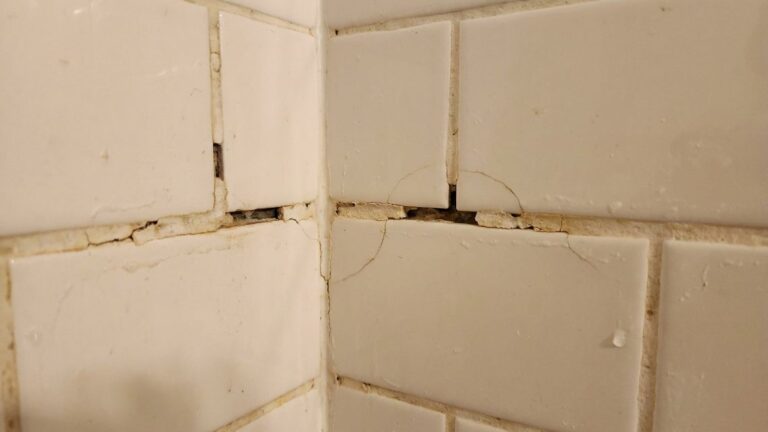
Grout is the first line of defense between your shower and the wall or floor behind it. Once it cracks, chips or wears thin, water can seep behind the tile and into the substrate, which is how small cosmetic issues become soft drywall, mold behind tile and even subfloor damage in multi-story homes.
Damaged, porous grout also holds moisture longer than sealed, intact grout, which is ideal for mold and mildew in a shower that is used every day. Regrouting removes the compromised material entirely instead of masking it, and acting before water gets behind the tile is almost always simpler and less invasive.

Signs you need it
Common Problems Regrouting Solves
Surface buildup can often be cleaned, but once the grout itself has failed, regrouting is the durable solution.
Problem
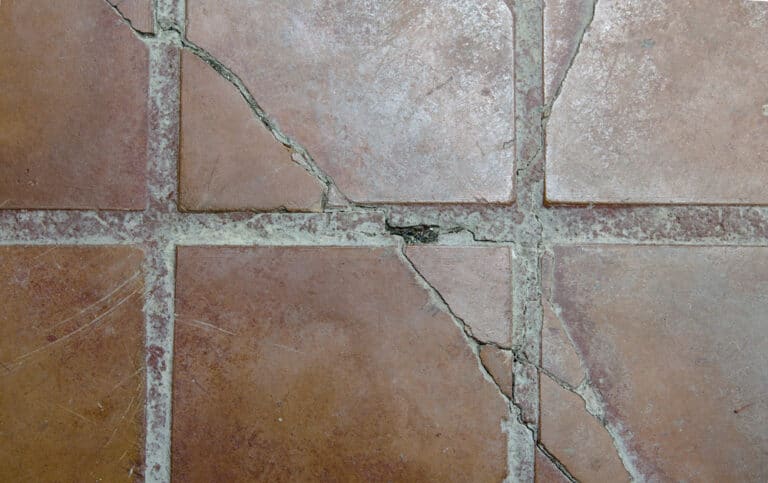
Cracked or crumbling grout
Lines that flake away when touched or scratched with a fingernail.
Regrouting →
Problem
Mold that will not scrub out
Persistent mold or mildew stains that store-bought cleaners cannot lift.
Regrouting →
Problem
Missing grout
Gaps around corners, the shower pan or fixture cutouts.
Regrouting →
Problem
Gray, black or pink grout
Discoloration that returns despite regular cleaning.
Cleaning or regrouting →
Problem
Soft or spongy grout, musty odor
Signs that moisture has already got behind the tile.
Inspection →
Problem
Loose tiles near grout lines
Failing grout can let tile shift or lose adhesion.
Chip & crack repair →
Our process
Our Shower Regrouting Process
The same methodical process on every job, so the results are predictable and long-lasting.
01
Inspect and assess
We check the grout, tile and surrounding surfaces to decide how much regrouting is needed and whether tile repair comes first.
02
Remove old grout
Damaged or contaminated grout is removed with tools sized to protect the surrounding tile from chips and scratches.
03
Prepare the joints
Joints are cleaned out completely, removing dust, debris and residual mold or mildew.
04
Apply new grout
Fresh grout is packed into every joint, in a color and type suited to the tile and the shower.
05
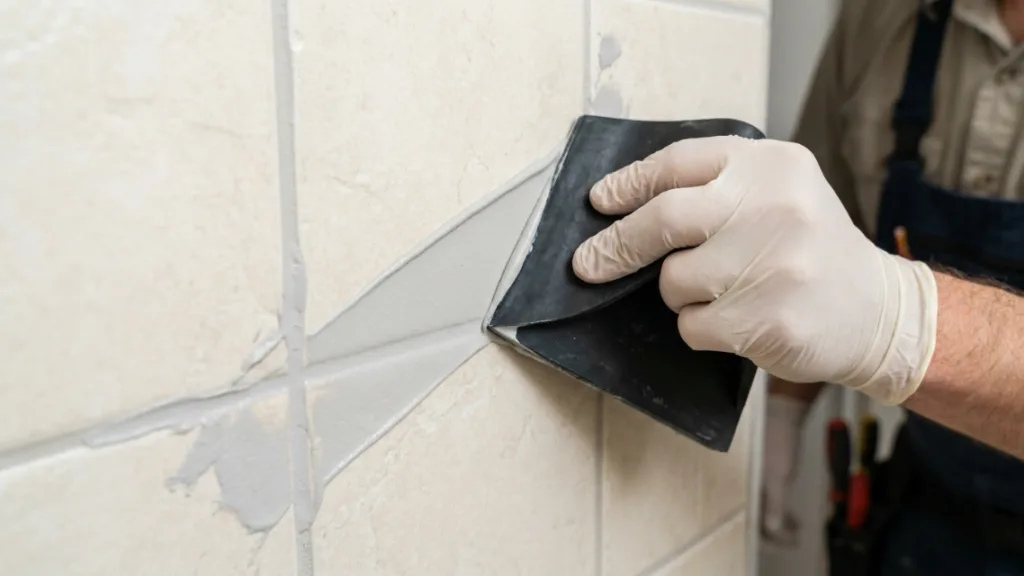
Tool and clean up
Joints are tooled to an even finish and excess grout is wiped off before it cures.
06
Cure and seal
Once cured, a penetrating sealer helps the grout resist staining and moisture.
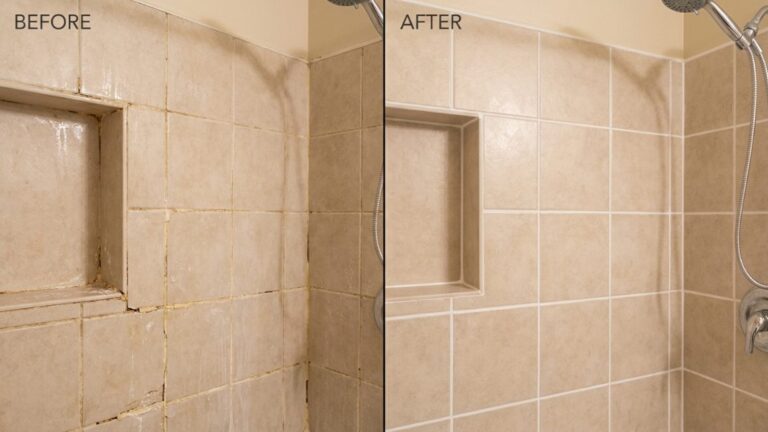
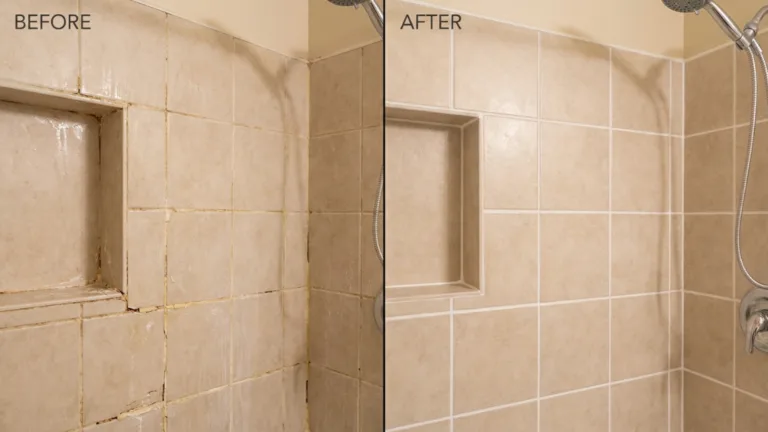
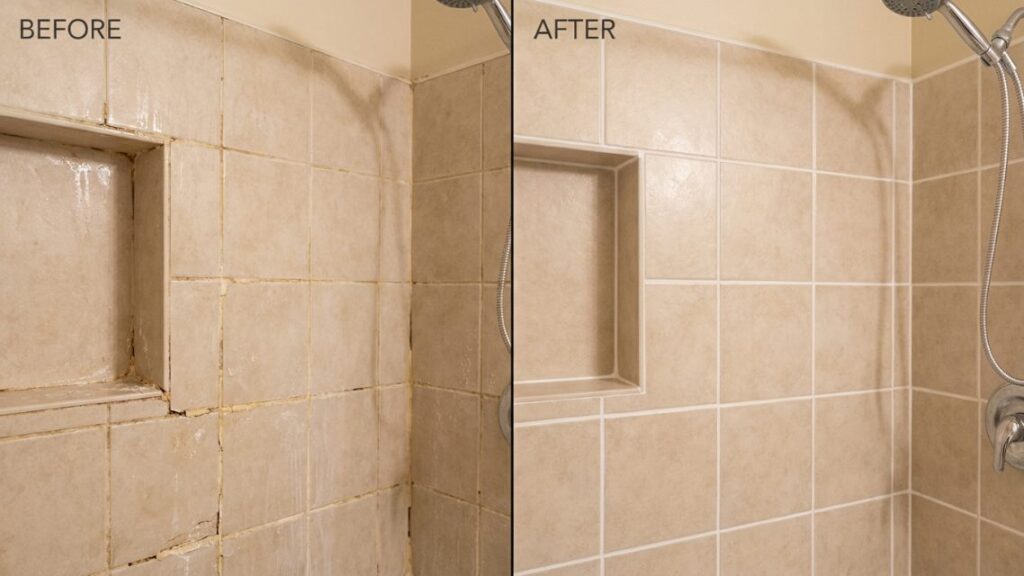
Before & After
Results on Real Surfaces
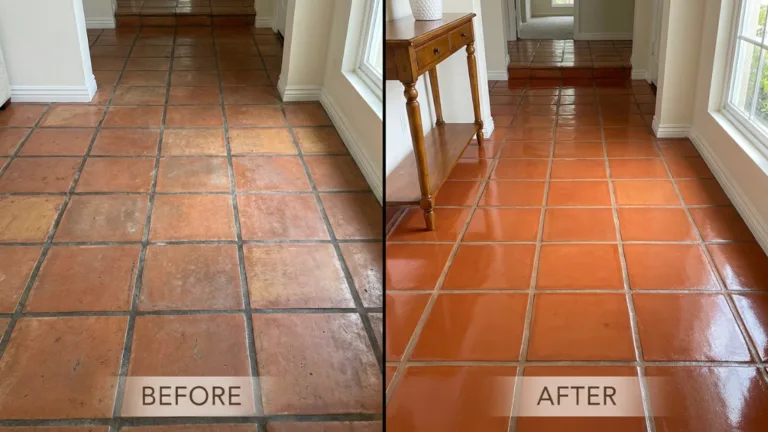
Results depend on the material, how long buildup has been there and the condition of the surface underneath.
Why it takes a specialist
Regrouting Takes More Than a Tube of Grout
Doing it right means removing old grout without damaging tile, preparing joints so new grout bonds, and choosing the right grout and sealer for a wet, high-use space.
We focus on tile, grout and stone. Regrouting is one part of a service line that also includes tile and grout cleaning, stone repair and surface restoration, so the process is built around getting grout right the first time.
In Del Mar and coastal North County, humidity, salt air and daily shower moisture are tough on grout. Older beachside homes often have original grout that has simply reached the end of its life, while newer large-format tile showers can wear at the joints. For natural stone showers, sound grout matters even more, because stone is more porous and is damaged by water getting in around failing joints.
Compare the options
Cleaning vs. Regrouting vs. Re-Tiling
When in doubt, an inspection tells you which situation you are in before you spend money on the wrong service.
Estimates
What Affects Cost, Timeline and Results
A brief on-site or photo assessment gives you an accurate estimate. Most regrouting is done without displacing your household for long, but allow full curing time before using the shower.
Shower size
The total linear footage of grout to remove and replace.
Extent of damage
A few cracked joints need less work than grout failing throughout.
Tile type
Natural stone and specialty tile need extra care during removal.
Tile repair
Chipped or loose tile may need attention before new grout goes in.
Grout and sealer choice
Some products cost more but add stain and moisture resistance.
Service Area
Shower Regrouting in Del Mar and Nearby Communities
We provide shower regrouting throughout Del Mar and San Diego, including coastal and inland North County communities with similar humidity and hard-water conditions.
Related services
Related Tile & Stone Services
Common questions
Shower Regrouting FAQs
Do I need regrouting or just a deep cleaning?
If grout is cracked, crumbling, missing or soft, cleaning will not fix it; the material has failed and needs replacing. If it is intact but stained or dull, a professional cleaning may be enough.
How long does shower regrouting take?
It depends on the size of the shower and how much grout is replaced, but most jobs are finished in a single visit or a short service window. Full curing takes additional time, and we will tell you when the shower is ready to use.
Can regrouting fix mold that keeps coming back?
Usually. Recurring mold means moisture is trapped in porous or damaged grout that scrubbing cannot reach. Replacing it with fresh, sealed grout addresses the cause instead of the surface.
What is the difference between regrouting and re-tiling?
Regrouting replaces only the grout and is far less invasive and costly. Re-tiling removes and replaces the tile, and is reserved for tile that is cracked, loose beyond repair or outdated.
Will the new grout match?
Grout color and type are chosen to complement your tile. You can match the existing grout or refresh the shower with a different shade.
Is regrouting messy?
The work is contained to the shower, and surrounding tile and surfaces are protected during removal and application.
Should shower corners and seams be grouted or caulked?
Corners, wall-to-floor seams, the curb and the edges of niches move slightly as the shower heats, cools and settles, so rigid grout in those joints tends to crack first. Those change-of-plane joints are normally sealed with a flexible, color-matched sealant instead of grout, while the flat field joints get new grout. A regrouting job should treat the two differently.
Is cement grout or epoxy grout better for a shower?
Both work when they are installed correctly. Cement-based grout is the most common choice, is easy to repair later and needs a penetrating sealer once it has cured. Epoxy grout absorbs far less and resists stains better, but it is less forgiving to install and can leave a haze on textured tile or porous stone. The right choice depends on the tile, the joint width and how the shower is used.
Can regrouting fix a leaking shower?
Not on its own if water is already getting past the tile. Regrouting renews the joints, but loose or hollow-sounding tiles, cracks that keep returning in the same place, a soft floor, or stains and swelling outside the shower point to a problem behind the tile or in the shower pan. Those signs need to be checked first so new grout does not hide an active leak.
What should a shower regrouting estimate include?
A clear scope: which areas are regrouted (walls, floor, niches, bench, around the drain), how corners and seams are sealed, the type of grout and whether sealing is included, what happens if loose tiles are found during removal, and how long the shower has to stay dry before use. A written scope makes it easy to compare estimates for the same work.
How should I care for new grout after regrouting?
Let it cure fully before the first shower and before any sealer goes on. After that, rinse or squeegee the walls after use, leave the door or curtain open so the tile dries, and clean with a pH-neutral cleaner rather than abrasive powders or harsh acids. Check the caulked corners now and then and replace the caulk early if it starts to separate.
Do you regroute showers in Del Mar?
Yes. We regroute showers in Del Mar and throughout San Diego County.
Get Started
Ready for Cleaner Tile, Grout & Stone?
Tell us what needs cleaning and we'll help you work out the right next step, with no pressure either way.
Free estimates
Surface-safe methods
Residential & commercial