Prestige Tile & Stone Cleaning
Serving San Diego County
Residential & Commercial
Mon–Fri 8am–5pm · Sat 10am–2pm


Home › Services › Tile & Stone Repair › Countertop Seam & Joint Repair
Seam & Joint Repair
Stone Countertop Seam & Joint Repair in San Diego
What a stone countertop seam should look like, how wide it should be, the four factors that make it more or less visible, and repair when seams separate.
Quick answer
How Visible Should a Stone Countertop Seam Be?
A stone or quartz countertop seam is never completely invisible; only acrylic and other plastic surfaces can be fused seamlessly. A good seam is typically 0.3 to 1.5 mm wide, filled with adhesive tinted to match the stone. How noticeable it is depends on the cut edge quality, the installer’s skill, the stone’s color and its mineral grain.
Why it matters
Why Countertops Have Seams
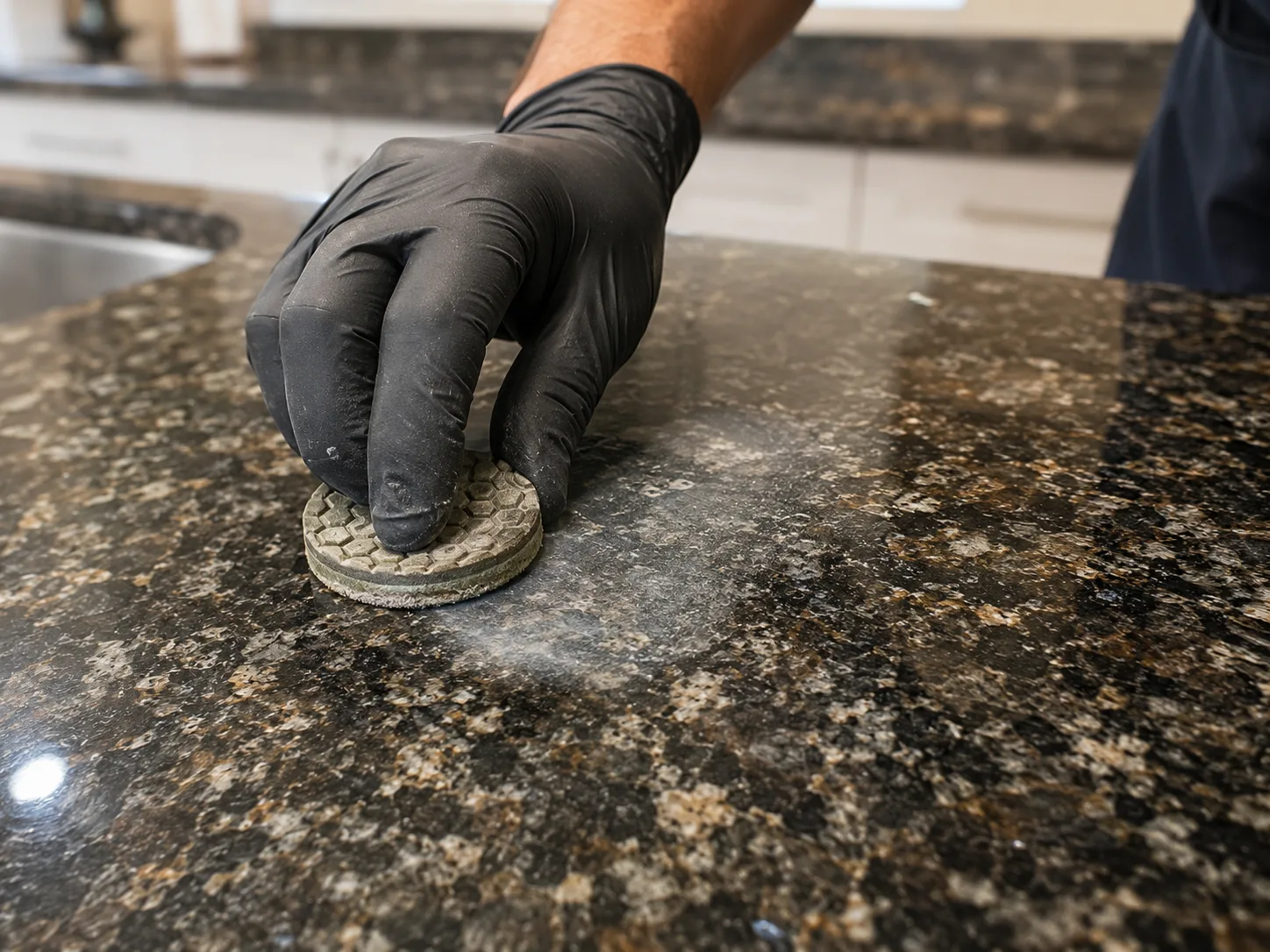
Countertops are cut from slabs of natural stone or engineered agglomerate, and slabs have limited dimensions. Granite slabs are often a little over 3 meters wide, and quartz slabs usually measure 55.5 by 122 inches. L-shaped and long countertops therefore need at least one seam.
Countertops are also prone to cracking around sink and cooktop cutouts, during fabrication or shipping, so a seam is often placed where it will be least noticeable. If a seller promises a seam you will never see, the countertop is likely plastic, not stone.
Where it is used
Which Countertops Have Seams?
Slabs have limited dimensions, so long and L-shaped countertops need at least one seam.
Granite
Slabs often a little over 3 meters wide.
Quartz
Slabs usually 55.5 by 122 inches.
Marble
Light, uniform marble shows seams the most.
Fire pits & pieces
Seams where slabs have moved.
Seam visibility
Four Factors That Affect Seam Visibility
Cut edge quality
A poor saw blade chips the edge; chips are filled with pigmented epoxy to keep the line clean.
Installer experience
How evenly slabs are aligned, how edges are sealed and how well the adhesive is tinted.
Stone color
Light, uniform colors show seams most; variegated, intense colors hide them best.
Mineral grain
Coarse, sugary grain breaks at the cut and widens the visible line; fine grain joins more precisely.
Our process
How a Seam Is Repaired
The aim is a narrow, color-matched joint that blends with the stone.
01
Assess
Seam width, chipped edges, tint and any slab movement.
02
Clean the joint
Old, failing material and debris are cleared.
03
Color-match
Epoxy is pigmented to match the stone.
04
Refill
The joint is refilled so it blends with the surrounding stone.

Repair
When a Seam Needs Repair
Seams that open, chip or were poorly tinted can be repaired.
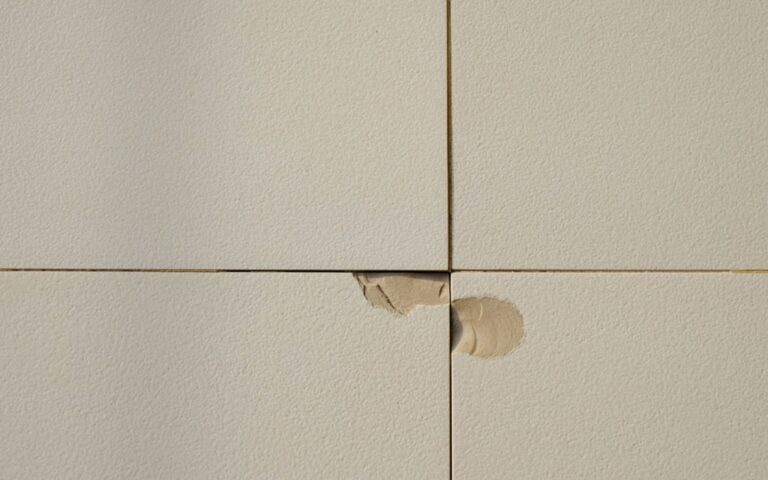
Installers mix the adhesive with pigments to match the stone as closely as possible. On light, single-tone marble a poorly tinted seam can be a disappointment, and seams can open where slabs have moved.
We repair separated seams in countertops, fire pits and other stone pieces, refilling them with color-matched epoxy so the joint blends with the surrounding stone.
When it is not the right option
What Seam Repair Cannot Do
Knowing the limits avoids disappointment.
Estimates
What Affects Your Estimate
Every estimate is based on the surface itself, and you receive it in writing before any work is booked. These are the main factors that shape it.
Number of seams
One joint or several.
Condition
Opened, chipped or poorly tinted.
Stone color
Harder matches take more work.
Piece
Countertop, fire pit or other stone.
Service Area
Serving San Diego County
We repair countertop seams and joints for homes and businesses throughout San Diego County, from the coast to inland communities.
Related services
Related Repairs
Common questions
Frequently Asked Questions
Can a stone countertop seam be invisible?
No. Only acrylic and similar plastic surfaces can be fused seamlessly. A well-made stone seam is narrow and color-matched.
How wide should a countertop seam be?
Typically 0.3 to 1.5 mm, depending on the stone.
Which stones hide seams best?
Variegated, intensely colored stones. Light, uniform colors show seams the most.
Get Started
Ready for Cleaner Tile, Grout & Stone?
Tell us what needs cleaning and we'll help you work out the right next step, with no pressure either way.
Free estimates
Surface-safe methods
Residential & commercial