Prestige Tile & Stone Cleaning
Serving San Diego County
Residential & Commercial
Mon–Fri 8am–5pm · Sat 10am–2pm


Home › Services › Tile & Stone Repair › Stone Grinding
Stone Grinding
Natural Stone Tile Grinding in San Diego
Grinding, the first step in resurfacing marble and stone floors, removes lippage, deep scratches and flaws and prepares the stone for a honed or polished finish.
Quick answer
What Is Stone Grinding Used For?
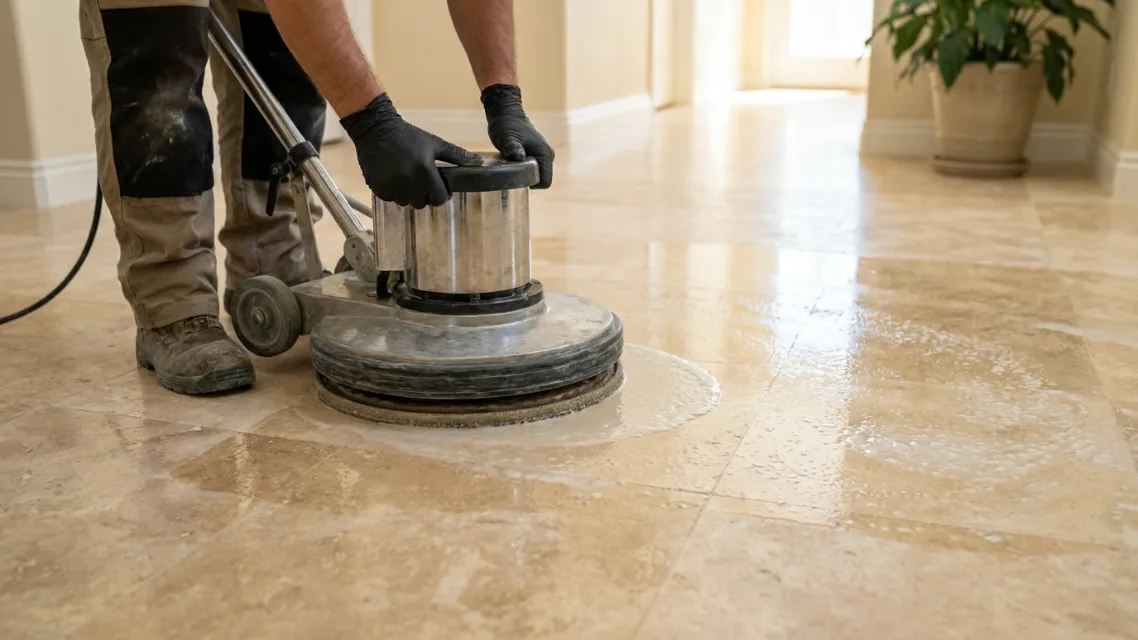
Grinding is the most effective and flexible way to resurface marble and other stone. It removes flaws, deep scratches and lippage and exposes a fresh layer of stone that can then be finished to a deep hone, hone, semi-gloss or high gloss. It is usually the first step in restoring a damaged stone floor.
Why it matters
Flat Floors, Fresh Surface
Uneven tiles (lippage) are common even on well-installed floors because of how tile is laid. Grinding levels them and removes deep scratches and lines at the same time.
Stone tile is relatively thin, so grinding is not repeated often; floors typically only need to be polished again every few years.
Where it is used
When Is Stone Grinding Used?
Grinding is the first step in resurfacing a damaged stone floor.
Lippage
Uneven tiles leveled.
Deep scratches
Lines and deep scratches removed.
Flaws
A fresh layer of stone exposed.
Any finish after
Deep hone, hone, semi-gloss or high gloss.
Our process
How We Grind Stone Floors
01
Wet grinding
Indoors we grind wet; dry grinding creates a lot of dust.
02
Edges & corners
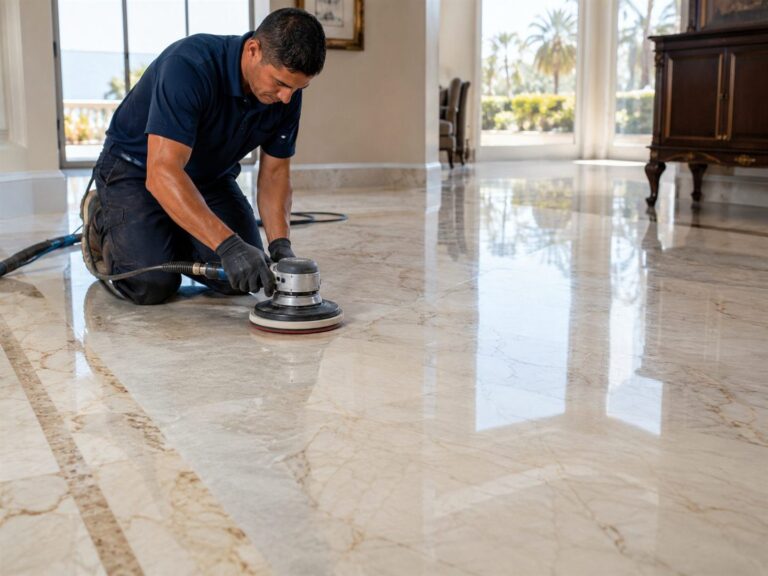
A handheld polisher reaches areas the floor machine cannot.
03
Refine
Progressively finer diamonds take the surface to the finish you choose.
04
Finish
Deep hone, hone, semi-gloss or high gloss.
Before & After
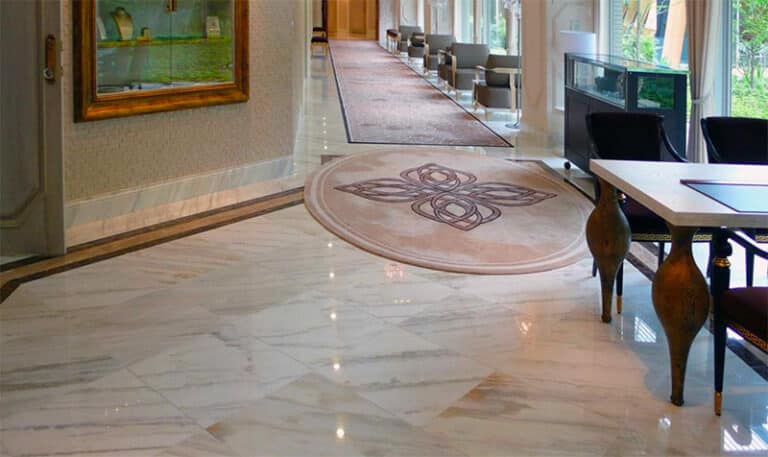
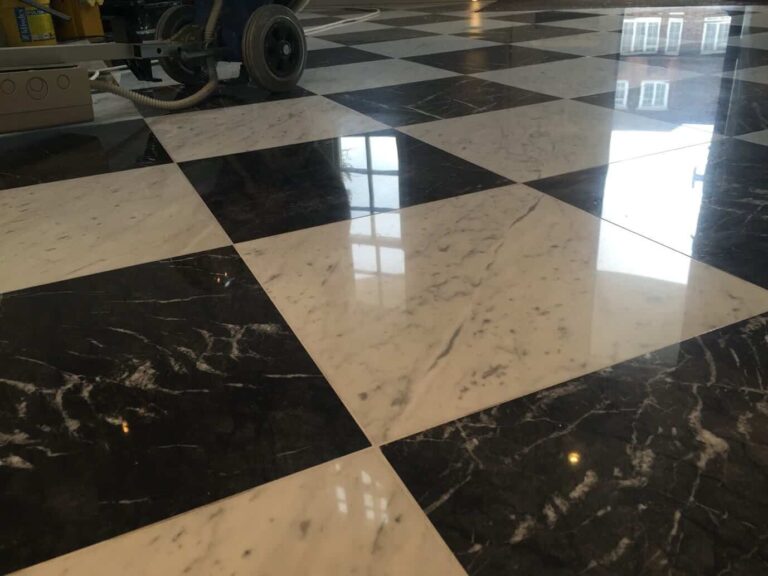
Resurfacing Results
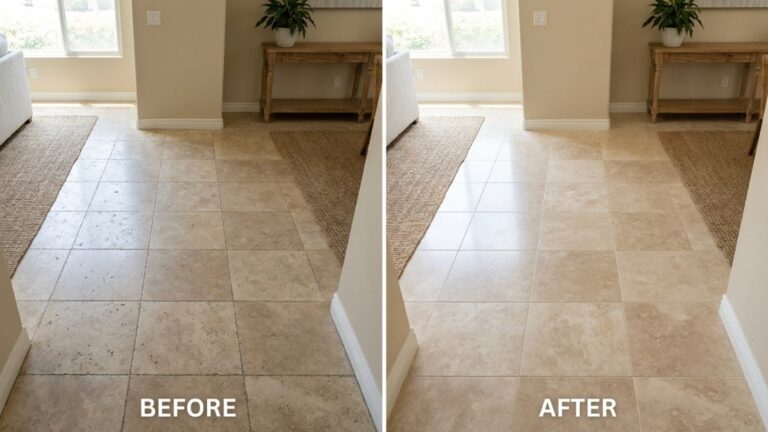
Grinding and refinishing bring damaged floors back to an even surface. Results depend on the stone and the damage.
Compare the options
Grinding, Honing or Polishing?
The deeper the damage, the earlier in the sequence the work starts.
When it is not the right option
When Is Grinding Not Needed?
Stone tile is relatively thin, so grinding is used only when lighter methods will not work.
Estimates
What Affects Your Estimate
Every estimate is based on the surface itself, and you receive it in writing before any work is booked. These are the main factors that shape it.
Floor area
Square footage to resurface.
Damage
Lippage and scratch depth.
Finish
Deep hone to high gloss.
Edges
Hand work at edges and corners.
Service Area
Serving San Diego County
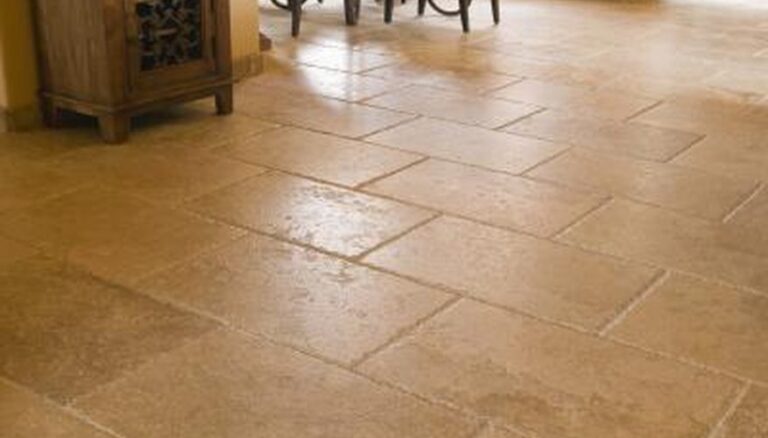
We grind and resurface stone floors for homes and businesses throughout San Diego County, from the coast to inland communities.

Common questions
Frequently Asked Questions
What finishes can follow grinding?
Deep hone, hone, semi-gloss or high gloss.
Why grind wet?
Dry grinding creates a lot of dust, so indoor grinding is done wet.
How often does stone need grinding?
Rarely. Stone tile is thin, and floors typically only need polishing again every few years.
Get Started
Ready for Cleaner Tile, Grout & Stone?
Tell us what needs cleaning and we'll help you work out the right next step, with no pressure either way.
Free estimates
Surface-safe methods
Residential & commercial