Executive Summary
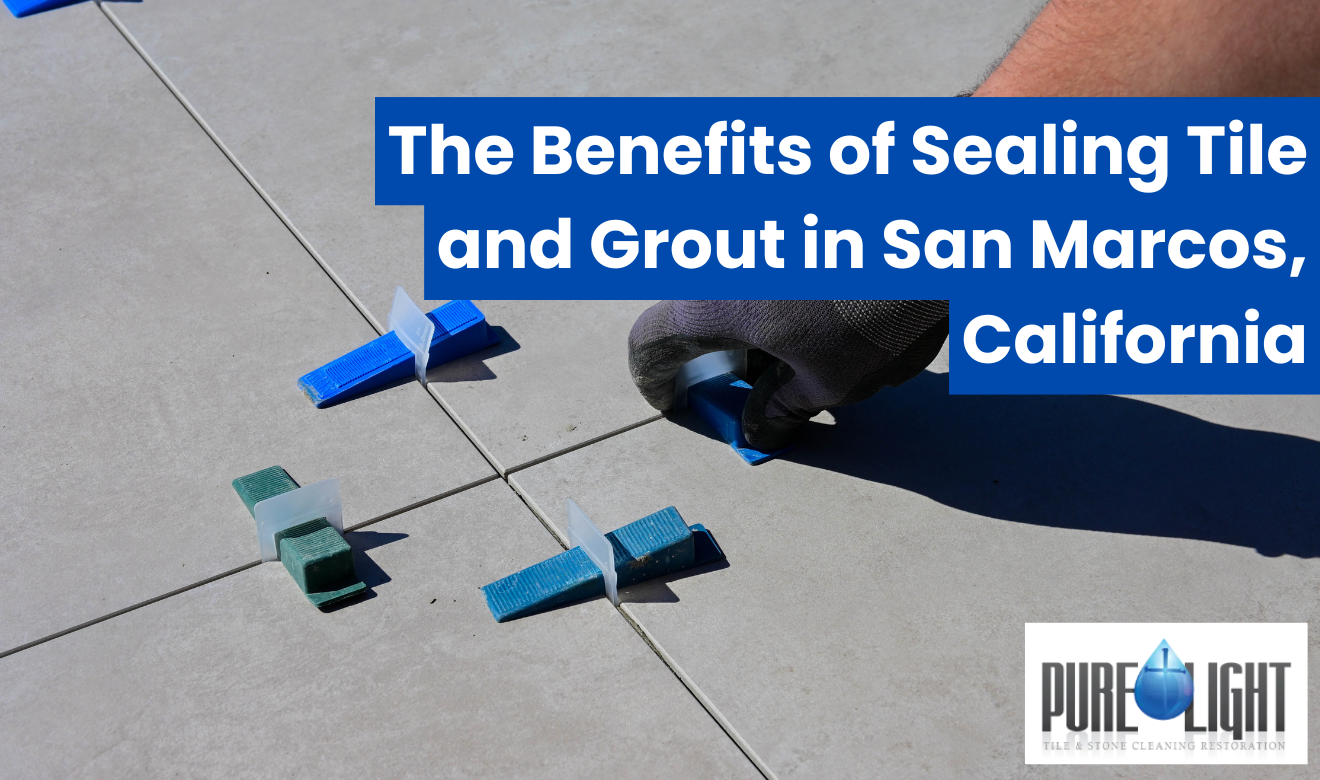
Sealing tile and grout helps protect porous cement-based grout by slowing the absorption of water, oils, and dirt—making stains less likely and routine cleaning easier in San Marcos homes. While it doesn’t replace waterproofing or fix underlying tile issues, proper clean-then-seal application extends grout appearance and durability in wet and high-traffic areas.
Key Takeaways
- Sealer reduces absorption—not waterproofing: Grout sealer limits how quickly moisture and spills penetrate porous grout, but it does not replace shower waterproofing membranes or resolve leaks and failing caulk.
- Wet areas benefit fastest: In showers and bathrooms, sealing helps grout dry out more quickly between uses and reduces deep-set discoloration from soap residue, body oils, and minerals.
- San Marcos humidity and daily use increase the payoff: Lingering humidity, cooking/shower steam, and tracked-in soils can keep grout damp and dirty longer, making sealing a practical defense against staining and odor issues.
- Penetrating sealers are usually the best fit for grout lines: Impregnating sealers protect within the grout without forming a film that can peel or wear unevenly like some topical coatings.
- Results depend on preparation and maintenance: The best performance comes from deep-cleaning before sealing, allowing proper dry time, and using pH-neutral, non-abrasive cleaning habits that don’t degrade the protection.
Sealing tile and grout in San Marcos, California helps block moisture, stains, and grime before they soak in, which is exactly how tile sealing protects grout San Marcos homeowners rely on for longer-lasting floors and showers. Think about a steamy bathroom shower where water hits the grout lines every day—sealed grout is less likely to darken, grow mildew, or start crumbling. Or picture a kitchen with spilled coffee or pasta sauce—sealed tile and grout make cleanup faster because the mess stays on the surface instead of absorbing into porous grout. In a coastal-influenced area like San Marcos, where humidity can linger, sealing adds a simple layer of defense that keeps grout looking cleaner and reduces the need for harsh scrubbing.
What tile and grout sealer actually does (and what it doesn’t)
If you’re trying to understand how tile sealing protects grout San Marcos homes depend on, it helps to know what grout is. Grout is the filler between tiles, and it’s often cement-based and porous—meaning it can absorb water, oils, and soils. (More background: grout.)
Sealer works by reducing how easily liquids and grime can penetrate those pores. That’s the core of how tile sealing protects grout San Marcos kitchens, bathrooms, and entries from stains and premature breakdown.
What sealing helps with:
- Slower absorption of water and spills, giving you time to wipe up before staining sets in.
- Less deep-set discoloration from oils, soaps, shampoo, food splatter, and tracked-in dirt.
- Reduced moisture cycling (wet-to-dry repeatedly), which can contribute to cracking or powdering over time.
- Easier maintenance because soils stay closer to the surface.
What sealing does not do:
- It does not make grout waterproof like a membrane behind a shower wall.
- It does not fix loose tiles, failing caulk, or existing water intrusion.
- It does not stop all mold/mildew if moisture is constantly present—ventilation and drying still matter.
How tile sealing protects grout San Marcos homeowners see in wet areas
Bathrooms and showers are where the benefits show up fastest. In daily use, grout gets hit with moisture, soap residue, body oils, and minerals from water. Over time, that mix can darken grout and make it harder to clean.
Here’s how tile sealing protects grout San Marcos showers and tub surrounds:
- Moisture resistance at the surface: Sealed grout takes longer to absorb water, so it dries faster between uses.
- Less soap scum anchoring: When pores aren’t as “open,” residue has fewer places to lodge.
- Lower staining risk from products: Hair dye, tinted shampoos, and some cleaners can discolor porous grout.
Real-world why it matters: The U.S. Environmental Protection Agency notes that mold can begin growing on damp materials within 24–48 hours when conditions are right. Sealing doesn’t replace proper drying, but it helps reduce how much moisture the grout holds—one practical way how tile sealing protects grout San Marcos bathrooms from that damp-material window.
Quick signs your shower grout is unsealed or the sealer has worn off
- Grout darkens quickly when wet and stays dark for a long time.
- Water doesn’t “bead” at all on grout lines.
- Stains reappear soon after cleaning.
- Grout feels rough, chalky, or sheds sand-like particles.
Why San Marcos climate and daily living make sealing more important
Even though San Marcos is inland compared to the immediate coast, coastal influence and seasonal humidity can still linger—especially in bathrooms without strong ventilation. Add everyday habits (hot showers, cooking steam, wet dogs, kids, frequent mopping), and grout can stay damp longer than you think.
This is a key part of how tile sealing protects grout San Marcos properties:
- Humidity slows evaporation: damp grout stays damp, increasing staining risk and odor issues.
- Track-in soils: fine dust and outdoor grime can embed into grout pores near entries and hallways.
- Hard-water minerals: mineral deposits can build on tile and in grout texture over time.
Bottom line: sealing doesn’t just make surfaces “look nicer.” It reduces the rate at which common household messes become permanent, which is exactly how tile sealing protects grout San Marcos residents want—less elbow grease, fewer deep restorations.
What types of sealers work best for grout (penetrating vs. topical)
Choosing the right sealer affects performance. The two broad categories are penetrating (impregnating) and topical (coating). Many pros prefer penetrating sealers for grout lines because they protect without leaving a surface film that can peel.
| Sealer type | Best use | Key trade-offs |
|---|---|---|
| Penetrating / impregnating | Most cementitious grout lines; many natural stone installations | Usually invisible; needs reapplication over time based on wear |
| Topical / coating | Some decorative floors; where a sheen or “sealed look” is desired | Can wear unevenly, trap moisture, or require stripping before re-coating |
| Color-enhancing penetrating | Natural stone where deeper color is desired | Permanent look change; must test first |
| “Sealer + cleaner” combos | Light maintenance between full services | Often weaker protection; not a substitute for proper sealing on porous grout |
If your main goal is long-term defense against staining and grime, penetrating sealers are often the most straightforward expression of how tile sealing protects grout San Marcos tile installations without creating a maintenance-heavy coating.
How to tell if your grout needs sealing (simple water-drop test)
You don’t need special tools to get a quick read.
Water-drop test (2 minutes):
- Pick a clean, dry grout line (not right after showering or mopping).
- Place a few drops of water on the grout.
- Wait 5–10 minutes.
Results:
- Beads and stays beaded: Sealer may still be functioning.
- Slowly darkens: Protection is weakening; plan to reseal soon.
- Darkens fast and spreads: Grout is absorbing water—this is where how tile sealing protects grout San Marcos becomes urgent if you want to avoid stains and deterioration.
How long grout sealer lasts in real homes
Longevity depends on foot traffic, cleaning habits, and where the tile is located (shower vs. guest bath vs. kitchen). Even high-quality sealers wear faster in busy zones like entries and kitchen work areas.
Practical reseal timing guidelines:
- Showers: often need attention sooner due to daily moisture and cleaners.
- Kitchens: spills and oils can challenge grout protection, especially near stoves and sinks.
- Low-traffic areas: may hold up longer with gentle cleaning.
The best approach is performance-based: if the water-drop test shows absorption, you’ve found exactly where how tile sealing protects grout San Marcos can make the biggest difference again.
Cost: what affects the price of sealing tile and grout in San Marcos
Pricing varies because sealing is often paired with deep cleaning. If grout is already darkened or clogged with residue, cleaning first is what allows sealer to penetrate and bond properly—otherwise you’re sealing in the problem.
Main cost drivers:
- Square footage and number of rooms
- Tile type (porous stone vs. dense porcelain)
- Grout condition (light maintenance vs. restoration-level cleaning)
- Layout complexity (small mosaics, many corners, benches, niches, shower floors)
- Previous coatings that may require removal before proper sealing
For many households, the value is in avoided replacement: regrouting or tile replacement costs far more than maintaining a protective barrier. That return-on-maintenance is a practical part of how tile sealing protects grout San Marcos property owners trying to preserve finishes.
How to maintain sealed grout without stripping the protection
Sealed doesn’t mean “maintenance-free.” It means cleaning becomes easier and less aggressive—which also helps the sealer last longer.
Best practices:
- Use pH-neutral cleaners when possible, especially on natural stone.
- Rinse after cleaning to reduce residue that can attract dirt.
- Dry wet areas (squeegee shower walls/floors) to reduce mineral spotting and moisture load.
- Ventilate bathrooms during and after showers.
- Spot-clean spills quickly (coffee, wine, oils, sauces) even if sealed.
Avoid (common sealer killers):
- Highly acidic or highly alkaline cleaners used frequently
- Abrasive powders that scour grout lines
- Waxes/soaps that leave a film and trap soil
Maintenance is where you really feel how tile sealing protects grout San Marcos homes: you rely less on harsh scrubbing and more on simple wipe-and-rinse routines.
Common mistakes that stop sealing from working
If you’ve sealed before and didn’t see results, one of these issues is usually the reason.
- Sealing dirty grout: sealer can’t penetrate evenly if pores are filled with grime or old residue.
- Not allowing enough dry time: grout must be dry so the sealer can soak in rather than repel.
- Applying too much and not buffing off: excess sealer can leave haze or sticky residue.
- Using the wrong product: some sealers are incompatible with certain stones or previously coated surfaces.
- Ignoring caulk and movement joints: grout sealer won’t fix cracking at changes of plane (corners, tub-to-wall transitions).
Fixing these is central to how tile sealing protects grout San Marcos surfaces in a way you can actually see: more uniform color, less rapid re-soiling, and simpler cleaning.
When to hire a professional vs. DIY
DIY sealing can work in small, low-risk areas—if the grout is already clean and you’re using a quality penetrating sealer correctly. But many situations benefit from professional equipment and process.
DIY is often fine when:
- It’s a small bathroom floor or laundry room
- Grout is new or recently deep-cleaned
- You can allow proper dry time and ventilation
Professional service is usually smarter when:
- Grout is already stained, sticky, or blotchy
- You have natural stone that needs the right chemistry
- It’s a shower with lots of detail (mosaics, niches, benches)
- You suspect prior topical coatings or sealer buildup
If you’re starting with a deep clean, consider scheduling Tile & Grout Cleaning first so the sealer can bond to clean, open pores—this step is a big part of how tile sealing protects grout San Marcos surfaces long-term instead of “for a few weeks.”
Mini case example: why cleaning first changes sealing results
A common pattern in high-use kitchens is uneven grout color: light in low-traffic corners, dark near the stove and sink. When those dark areas are oil-loaded, sealer can sit on top instead of penetrating. After professional extraction cleaning removes embedded soils, sealer absorbs more evenly—resulting in more consistent appearance and better stain resistance. That “clean-then-seal” sequence is the practical, proven version of how tile sealing protects grout San Marcos homeowners expect.
Related upkeep: pairing sealing with smarter cleaning habits
If you’re building a routine around long-lasting floors and showers, focus on methods that prevent re-soiling. For additional cleaning guidance that fits San Diego County homes, see San Diego grout cleaning tips and expectations—many of the same best practices apply in San Marcos.
Why tile sealing protects grout San Marcos floors beyond bathrooms
Sealing isn’t just a shower thing. It’s also how tile sealing protects grout San Marcos living spaces where grit and spills happen:
- Entryways: reduces dark traffic lanes from fine dirt.
- Kitchens: slows absorption of oils and foods that can permanently stain cement grout.
- Dining areas: helps with beverage spills and sticky residues.
- Pet areas: makes cleanup easier after accidents and water bowl splashes.
In each space, the same principle applies: less absorption = fewer permanent marks. That’s how tile sealing protects grout San Marcos households from the “it never looks clean” cycle.
Seal the Deal: Long-Lasting Grout Starts with the Right Protection
How tile sealing protects grout San Marcos properties comes down to one simple win: sealing reduces how easily moisture and stains penetrate porous grout, so cleaning is easier and the grout holds up longer. The best results come from a clean surface, the correct sealer type, and maintenance that doesn’t strip protection.
For trust and quality, look for technicians with documented training and recognized industry credentials such as IICRC certification (for professional cleaning standards) and/or CTEF-certified tile expertise, plus a track record working specifically with tile, grout, and natural stone systems in wet and high-traffic environments.
Frequently Asked Questions
Seal It Once. Enjoy It Longer in San Marcos.
If you want tile and grout that stays brighter, cleans up faster, and holds up better against daily moisture, spills, and humidity, professional sealing is the simplest upgrade you can make. Prestige Tile & Stone Cleaning San Marcos can deep-clean first so the sealer actually penetrates, then apply the right protection for your grout, showers, and high-traffic floors—so you get real-world results, not a “looks good for a week” fix.


